Free energy saving gadgets: how to cut bills at no cost
Reducing energy bills without spending a fortune is a priority for many UK households. While the idea of a free energy saving gadget might sound too good to be true, genuine no-cost solutions exist, ranging from smart technology to government grants and simple behavioural changes. The key lies in understanding what's available and how to use it effectively to take control of your energy consumption.
Understanding your energy use is the first step to cutting down your bills. Fuse Energy offers free smart meter installations to eligible homes, giving you the data and insights you need to manage your consumption effectively. Click here to see how Fuse can help you take control of your energy.
Enter your address to get a quote and see how much you could save
What counts as a free energy saving gadget?
The term free energy saving gadget can be broader than you might initially think. It doesn't always refer to a physical device you plug in. Instead, it encompasses a range of no-cost measures designed to help you reduce energy use and, consequently, your bills.
Beyond physical devices: grants and behavioural changes
Many effective "free" energy-saving solutions come in the form of financial support or changes to your daily routine. Government and charitable schemes, for instance, offer grants for significant home improvements like insulation, which act as a long-term energy-saving measure without direct cost to the eligible household. Simple behavioural adjustments, such as turning off lights or unplugging unused appliances, also fall into this category, delivering savings through conscious effort rather than a physical product.
The role of smart meters as a free gadget
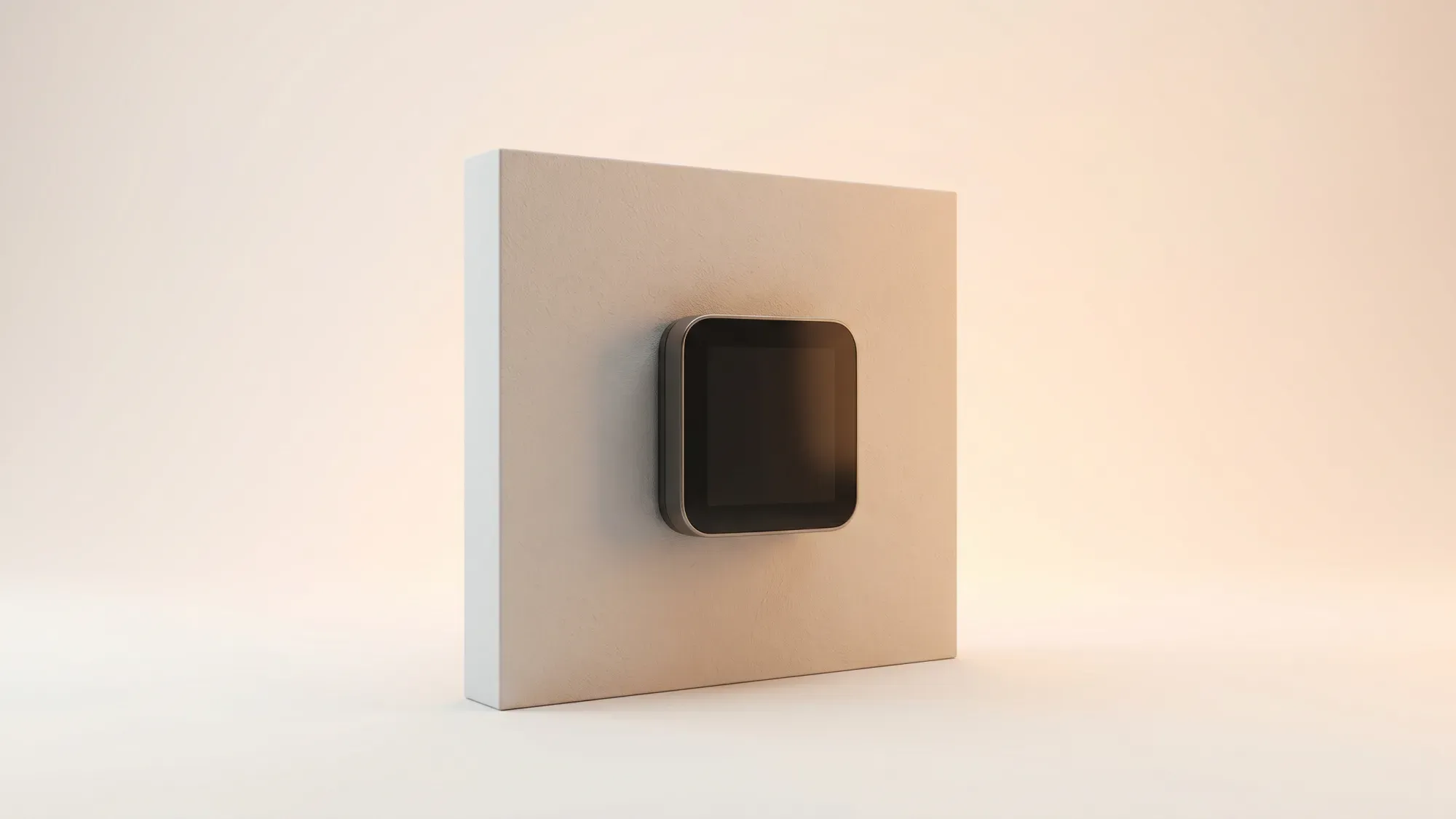
A smart meter is a prime example of a free energy-saving gadget that offers tangible benefits. Energy suppliers provide and install these meters at no upfront cost to eligible households. Fuse positions its free smart meter installation as a key tool that provides households with the capability and data to actively manage and reduce their energy consumption. By offering real-time insights into energy use, a smart meter empowers you to make informed decisions about how and when you use electricity and gas, effectively putting the power to save in your hands.
How smart meters empower your energy savings
Smart meters are more than just a replacement for your old meter; they are a gateway to understanding and managing your energy use.
Real-time data for informed decisions
One of the most significant advantages of a smart meter is its ability to provide real-time energy consumption data. This means you can see exactly how much energy you are using in pounds and pence, often displayed on an in-home display (IHD) unit or through an accompanying app. This immediate feedback allows you to connect your actions directly to their cost, making it easier to identify energy-intensive activities and adjust your habits accordingly. For example, you might notice a spike in usage when a particular appliance is switched on, prompting you to consider its efficiency or usage patterns.
Identifying energy waste with smart meter insights
With detailed insights from your smart meter, you can pinpoint areas of energy waste that might otherwise go unnoticed. The average UK home uses around 2,500 kWh of electricity per year (Ofgem's medium typical domestic consumption value, effective 1 July 2026). By monitoring your usage patterns, you can identify "phantom load" from devices left on standby or understand the impact of leaving lights on. This data-driven approach moves beyond guesswork, allowing you to target your energy-saving efforts where they will have the most impact.
Accessing your free smart meter
Getting a smart meter is straightforward. You can request a free smart meter installation directly from your energy supplier. The UK government supports the rollout of smart meters to all eligible homes, making them widely accessible. Once installed, your smart meter will automatically send readings to your supplier, ensuring accurate billing and eliminating the need for manual meter readings.
How much electricity does the average UK home use?
The average UK home uses approximately 2,500 kWh of electricity per year (Ofgem's medium typical domestic consumption value, effective 1 July 2026). This figure serves as a useful baseline for understanding typical household consumption and evaluating the potential impact of energy-saving measures.
Government and charitable schemes for free energy saving
Beyond smart meters, several government-backed and charitable initiatives offer free energy-saving measures to eligible households, particularly those most in need.
Understanding the ECO4 scheme
The Energy Company Obligation (ECO4) scheme places a legal obligation on larger energy suppliers to deliver energy efficiency measures to low-income and vulnerable households. This scheme offers free home energy upgrades, including insulation (such as loft, cavity wall, or external wall insulation) and heating improvements (like new boilers or heat pumps). Eligibility for ECO4 typically depends on receiving certain benefits or having a low household income. These upgrades can significantly reduce a home's energy consumption and heating costs, providing substantial long-term savings.
OZEV grants for EV chargepoints
For those with electric vehicles, the Office for Zero Emission Vehicles (OZEV) offers grants towards the installation of EV chargepoints. While not directly reducing household energy consumption, these grants make the transition to electric vehicles more affordable, which can lead to overall lower transport energy costs. For instance, the EV Chargepoint Grant for renters and flat owners provides up to £500 towards installing a Chargepoint. Specific eligibility criteria apply, including owning and living in a flat or renting any residential property with private off-street parking, or for households with on-street parking installing a cross-pavement solution. It's important to check the latest OZEV guidance for full details.
Local council and charity support
Many local councils and charitable organisations also run their own energy-saving programmes or provide grants. These initiatives often target specific local needs or vulnerable groups, offering free advice, energy audits, or even small energy-saving items like LED light bulbs or draught excluders. It's worth checking your local council's website or contacting national charities focused on energy poverty for information on available support in your area.
Simple, no-cost energy saving methods for your home
Sometimes, the most effective "free energy saving gadgets" are not gadgets at all, but rather changes to your daily habits and how you manage your home.
Optimising heating and hot water use
Heating and hot water account for a significant portion of household energy bills. Simple adjustments can lead to considerable savings:
- Turn down your thermostat: Finding the lowest comfortable temperature for your home can reduce energy use.
- Bleed radiators: Ensure your radiators are working efficiently by bleeding them regularly to release trapped air.
- Wash clothes at lower temperatures: Modern detergents are effective at 30°C or even 20°C, saving the energy needed to heat water.
- Take shorter showers: Reducing shower time by a minute or two can save a surprising amount of hot water and energy.
Reducing electricity consumption
Many electrical appliances consume energy even when not actively in use.
- Unplug chargers and appliances: Devices left on standby or chargers left plugged in can still draw a small amount of electricity, known as "phantom load." Unplugging them completely eliminates this waste.
- Turn off lights: Make it a habit to switch off lights when leaving a room, even for a short period.
- Use natural light: Maximise natural daylight by opening curtains and blinds, reducing the need for artificial lighting.
- Defrost your freezer: A build-up of ice makes your freezer work harder and use more energy. Regular defrosting improves efficiency.
Tackling draughts and heat loss
Preventing heat from escaping your home is a free way to stay warmer and reduce heating demand.
- Close curtains at dusk: Curtains act as an extra layer of insulation, trapping heat inside your rooms.
- Block draughts: Use old clothes, towels, or even newspapers to block draughts under doors or around windows. Draught excluders are also readily available and can be a very low-cost or free item from some schemes.
- Move furniture: Ensure large furniture isn't blocking radiators, allowing heat to circulate freely around the room.
Maximising the impact of your free energy saving gadgets
Acquiring free energy-saving gadgets or adopting new habits is only the first step. To truly maximise their impact, you need to integrate them into a proactive energy management strategy.
Combining gadgets with smart habits
The greatest savings come from combining technology with behavioural changes. A smart meter provides the data, but it's your actions based on that data that drive down bills. For example, seeing high energy use during peak hours might prompt you to shift laundry cycles to off-peak times or use energy-intensive appliances less frequently. Similarly, free insulation from a grant scheme works best when paired with efficient heating practices. Understanding the running cost of a heat pump can also help you make informed decisions about your heating.
Regular monitoring and adjustment
Energy consumption isn't static; it changes with seasons, habits, and new appliances. Regularly monitoring your energy usage through your smart meter's in-home display or app allows you to identify new saving opportunities and adapt your strategies. What worked in summer might not be optimal in winter, and new appliances might introduce unexpected energy drains. Continuous monitoring ensures you stay on top of your energy use.
Staying informed about new opportunities
The landscape of energy-saving schemes and technologies is constantly evolving. New grants, improved devices, and updated advice emerge regularly. Staying informed through reputable sources like Ofgem, Citizens Advice, and the Energy Saving Trust can help you discover additional free or low-cost opportunities to reduce your energy footprint and bills. This proactive approach ensures you're always making the most of available support and technology.
Ready to take control of your energy bills? Fuse Energy makes it simple with clear pricing, real-time usage data through our app, and 24/7 human customer support. Switching to Fuse is quick and easy, helping you manage your energy more effectively from day one. Click here to switch to Fuse Energy today.
Disclaimer
For the avoidance of doubt, this article is provided for informational purposes only and is not intended to constitute legal or financial advice. The author and/or Fuse Energy shall not be responsible for any losses arising out of any reliance on the information contained herein.