Tesla Powerwall 3: your home battery guide
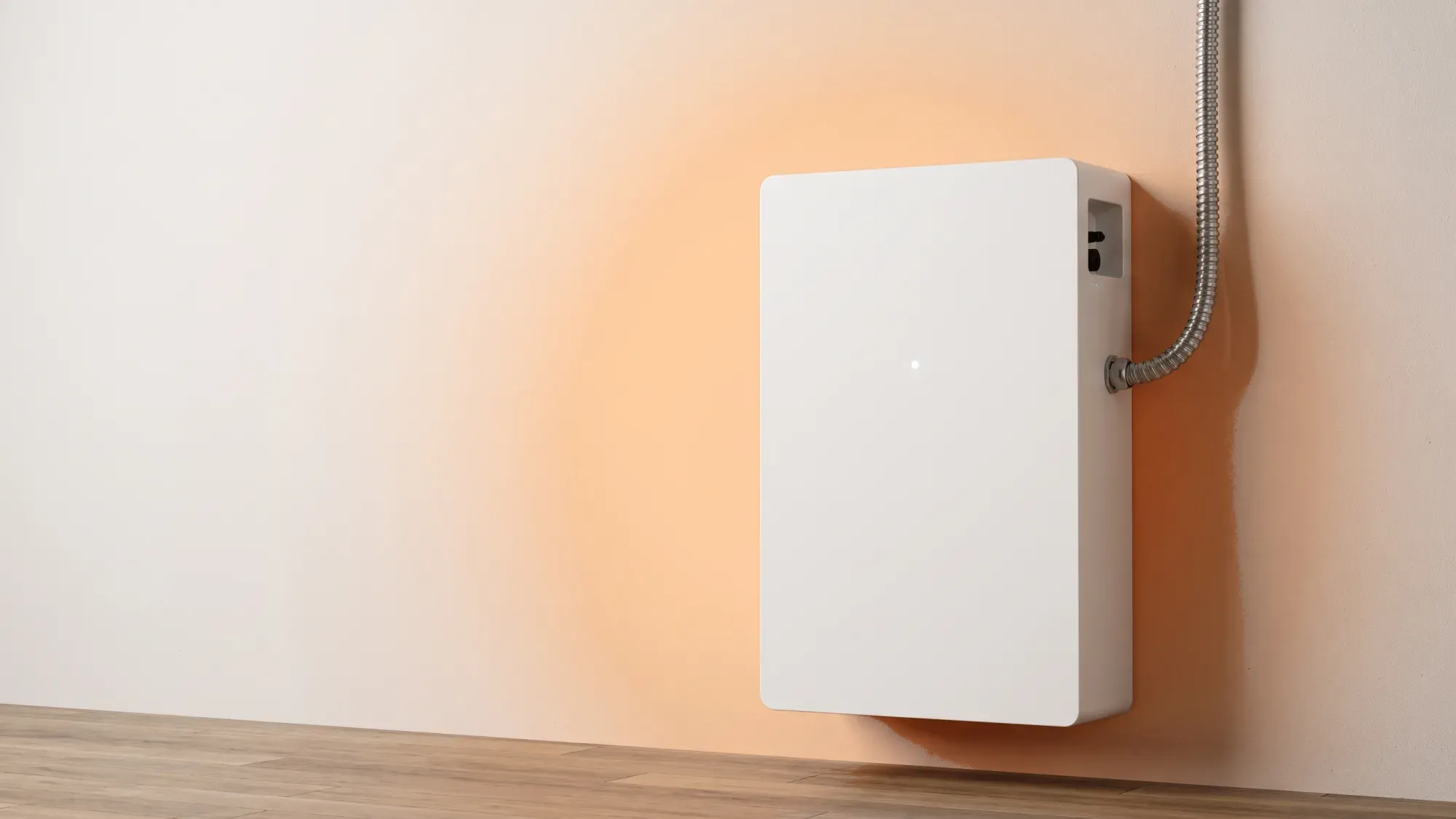
Home battery storage systems, such as the Tesla Powerwall 3, offer homeowners a significant opportunity to manage their energy consumption, reduce reliance on the National Grid, and mitigate rising energy costs. These systems allow households to store excess solar energy or charge during off-peak hours, providing greater control over household energy.
The Powerwall 3, with its integrated solar inverter, simplifies installation and can improve energy efficiency, particularly for homes with solar panels. Understanding its technical specifications, installed costs, and warranty details is crucial for making an informed investment in home energy storage.
Fuse Energy believes in letting homeowners with the knowledge make informed decisions about their energy. By understanding the capabilities and considerations of systems like the Tesla Powerwall 3, you can take a significant step towards achieving energy independence and control over your household's power.
What is the Tesla Powerwall 3?
The Tesla Powerwall 3 is a fully integrated home battery system designed to store energy for later use. It combines a battery, an inverter, and a system controller into a single unit, making it a streamlined solution for residential energy storage. This system allows homeowners to store electricity generated by solar panels or charged from the grid during off-peak times, then use it when needed, such as during peak hours or power outages.
Integrated design and core components
The Powerwall 3's integrated design means it houses the battery and a hybrid inverter within a single enclosure. This simplifies installation and reduces the need for separate components, offering a more compact and aesthetically pleasing solution compared to systems requiring external inverters. The unit is designed for both new solar installations and integration with existing solar photovoltaic (PV) systems.
Purpose and function in home energy systems
The primary purpose of the Powerwall 3 is to enhance energy independence and security for homeowners. It functions by optimising energy usage, allowing you to:
- Store excess solar energy: Capture surplus electricity generated by your solar panels during the day for use when the sun is not shining.
- Utilise off-peak grid electricity: Charge the battery when electricity prices are lower (e.g., overnight) and discharge it during more expensive peak times, reducing your electricity bills.
- Provide backup power: Automatically supply electricity to your home during grid outages, ensuring essential appliances remain operational.
Tesla Powerwall 3 specifications and features
The Powerwall 3 boasts significant enhancements over its predecessor, particularly in power output and integration.
Usable capacity and power output
The Tesla Powerwall 3 has a usable energy capacity of 13.5 kWh. This capacity can provide power for essential home appliances for a period during an outage; for instance, at a 3 to 5 kW load, it could last for 3 to 5 hours. It delivers a continuous power output of 11.5 kW, both on-grid and for backup, which is a substantial increase compared to previous models. This higher power output means it can handle more demanding loads, including larger appliances like air conditioning units or electric vehicle (EV) chargers.
Integrated inverter capabilities
A key feature of the Powerwall 3 is its integrated hybrid inverter. This inverter is capable of handling up to 20 kW of direct current (DC) solar input and includes six Maximum Power Point Tracking (MPPT) channels. This design optimises solar energy harvesting from various roof orientations and partial shading, maximising the efficiency of your solar PV system.
Dimensions, weight, and operating environment
The Powerwall 3 measures 1,105 mm (H) x 609 mm (W) x 193 mm (D) and weighs 130 kg. It is designed for both indoor and outdoor installation, with an operating temperature range of -20°C to 50°C. Its robust construction provides resistance to dust and flooding up to 0.6 metres, ensuring reliable performance in various environmental conditions.
Safety features and certifications
The Tesla Powerwall 3 is certified to various safety standards, including UL 1741 for inverters, UL 1973 for batteries, and UL9540A for evaluating thermal runaway fire propagation in battery energy storage systems. These certifications ensure the system meets rigorous safety requirements for residential use.
Benefits for UK homeowners
For UK homeowners, the Tesla Powerwall 3 offers several compelling advantages, contributing to both financial savings and enhanced energy security.
Maximising solar self-consumption
With the Powerwall 3, you can store excess electricity generated by your solar panels during sunny periods and use it later when solar production is low or absent. This significantly increases your solar self-consumption, meaning you draw less electricity from the grid and make the most of your renewable energy investment.
Reducing electricity bills with time-of-use tariffs
Many energy suppliers in the UK offer time-of-use tariffs, where electricity prices vary throughout the day. The Powerwall 3 can be programmed to charge during off-peak hours when electricity is cheaper and discharge during peak hours when prices are higher. This intelligent management of energy can lead to substantial savings on your electricity bills. Understanding your energy consumption patterns can also help you implement effective energy saving tips for your home.
Backup power during outages
Power outages, while infrequent, can be disruptive. The Powerwall 3 provides simple backup power, automatically switching to battery supply when the grid goes down. This ensures that essential home appliances, lighting, and heating continue to function, offering peace of mind and maintaining comfort during unexpected interruptions.
Achieving greater energy independence
By generating, storing, and managing your own electricity, the Powerwall 3 helps you reduce your reliance on the National Grid and external energy suppliers. This move towards greater energy independence provides more control over your household's power supply and can help mitigate the impact of fluctuating energy prices.
Tesla Powerwall 3 vs Powerwall 2: key differences
The Powerwall 3 represents an evolution from its predecessor, the Powerwall 2, with several key improvements designed to enhance performance and simplify installation.
Inverter integration and solar compatibility
The most significant difference is the Powerwall 3's integrated hybrid inverter, which was not present in the Powerwall 2. This means the Powerwall 3 can connect directly to your solar panels, simplifying the system design and installation process. The Powerwall 2 typically required a separate solar inverter. The Powerwall 3's inverter also offers higher solar input capacity (up to 20 kW DC) and more MPPT channels (six), providing greater flexibility and efficiency for solar PV systems.
Power output and efficiency improvements
The Powerwall 3 offers a higher continuous power output of 11.5 kW, more than double the 5 kW continuous output of the Powerwall 2. This increased power allows it to run more appliances simultaneously and handle heavier loads, making it more suitable for whole-home backup. While both models have the same 13.5 kWh usable energy capacity, the Powerwall 3's enhanced power delivery makes it more versatile.
Installation and system design considerations
The integrated inverter of the Powerwall 3 streamlines installation, potentially reducing complexity and overall installation time. For homes with existing solar panels, the Powerwall 3 can integrate more easily, whereas the Powerwall 2 might have required additional components for compatibility. The Powerwall 3 is also slightly heavier than the Powerwall 2, at 130 kg compared to 114 kg.
Tesla Powerwall 3 price UK and installation
Understanding the total installed cost of a Tesla Powerwall 3 in the UK involves more than just the unit price; it includes installation fees and any necessary electrical upgrades.
Estimated installed costs in the UK
The estimated installed cost for a Tesla Powerwall 3 in the UK typically ranges from £7,000 to £12,000. This figure generally includes the unit, installation, and value added tax (VAT), which is currently 0% on home battery storage systems until 31 March 2027. For a battery-only system, prices might be closer to £7,000-£8,500, while installations bundled with new solar panels or requiring complex electrical work can push towards the higher end of the range.
Factors influencing total price
Several factors can influence the final installed price:
- Complexity of installation: Homes requiring significant electrical upgrades, consumer unit modifications, or long cable runs will incur higher costs.
- Existing solar PV system: Integrating with an existing solar setup might be simpler than a brand-new installation, but compatibility checks are essential.
- Installer choice: Prices can vary between certified installers, so obtaining multiple quotes is advisable.
- Additional hardware: While the Powerwall 3 has an integrated inverter, some installations may still require a Tesla Gateway for grid connection and backup functionality.
Installation process and requirements
Installation of the Powerwall 3 should be carried out by a certified installer. The process typically involves mounting the unit, connecting it to your home's electrical system and solar panels (if applicable), and configuring the system via the Tesla app. A site survey is usually conducted beforehand to assess your home's suitability and provide an accurate quote. If you are considering an EV charger, you might also want to look into EV charger installation requirements.
Warranty and longevity
Investing in a home battery system like the Powerwall 3 is a long-term decision, making warranty and expected lifespan crucial considerations.
Understanding the 10-year warranty
The Tesla Powerwall 3 comes with a 10-year warranty. This warranty guarantees that the battery will retain at least 70% of its capacity at the end of the 10-year period. To ensure the full warranty, the Powerwall 3 must be reliably connected to the internet for remote firmware updates from Tesla. Without a consistent internet connection, the warranty term may be limited.
Expected lifespan and performance degradation
While the warranty covers performance for 10 years, the expected lifespan of lithium-ion batteries can extend beyond this period, though performance will gradually degrade over time. The 70% capacity retention guarantee ensures that even after a decade, the battery will still provide a significant portion of its original storage capability. Factors like usage patterns, environmental conditions, and proper maintenance can influence the overall longevity of the system.
Is the Tesla Powerwall 3 right for your home?
Deciding if the Powerwall 3 is the right home battery solution for you involves assessing your specific energy needs, existing infrastructure, and long-term financial goals.
Assessing your energy needs and solar setup
Consider your household's average daily electricity consumption. The average UK home uses around 2,500 kWh of electricity per year. If you have solar panels, evaluate your typical solar generation and how much excess energy you produce. The Powerwall 3 is particularly beneficial for homes with high solar generation and those looking to maximise self-consumption. Its high power output also suits homes with significant peak energy demands or a desire for whole-home backup. For optimal energy management, a smart meter installation can provide valuable insights into your energy usage.
Cost-benefit analysis and long-term value
Perform a thorough cost-benefit analysis, factoring in the initial installed cost against potential savings from reduced electricity bills, optimisation with time-of-use tariffs, and the value of energy security. While the upfront investment is substantial, the long-term benefits of energy independence and protection against rising energy costs can make it a worthwhile investment for many.
Considering alternatives in the UK market
The UK market offers a range of home battery storage options. It is prudent to compare the Powerwall 3's features, warranty, and cost against other leading systems. Consider factors like battery capacity, power output, inverter type, scalability, and integration capabilities with your existing or planned solar setup to find the best fit for your specific requirements and budget.
Disclaimer
For the avoidance of doubt, this article is provided for informational purposes only and is not intended to constitute legal or financial advice. The author and/or Fuse Energy shall not be responsible for any losses arising out of any reliance on the information contained herein.