Smart meters explained
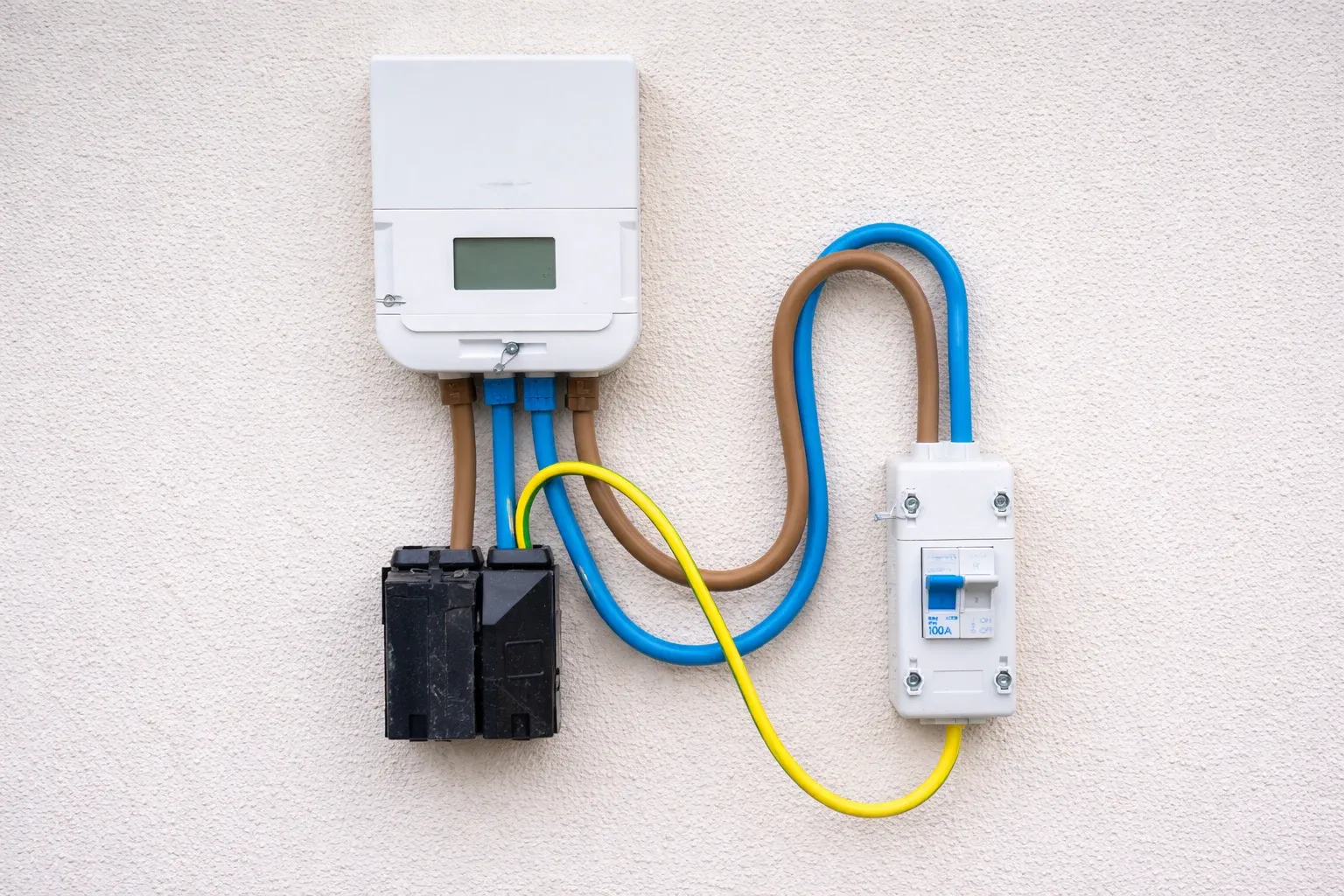
Smart meters automatically send your energy readings, eliminating manual meter reads and estimated bills. They provide real-time energy usage data, which can be viewed via an in-home display (IHD), helping households monitor and manage consumption. The UK government has mandated a national rollout of smart meters to all homes, aiming for a smarter energy grid. Legacy Radio Teleswitch Service (RTS) meters are also being phased out, requiring replacement with smart meters.
Managing your home's energy should be simple and transparent. Smart meters are a key part of this, offering accurate billing and insights into your usage. If you are looking to take control of your energy, switching to a modern supplier with smart meter integration can make a real difference. Click here to switch to Fuse Energy today.
Enter your address to get a quote and see how much you could save
What is a smart meter and how does it work?
A smart meter is a digital energy meter that records your home's gas and/or electricity usage and automatically sends these readings to your energy supplier. Unlike traditional meters that require manual readings, smart meters communicate wirelessly through a secure national network. This two-way communication means your supplier receives accurate data, and you gain real-time insights into your energy use.
Understanding the technology
Smart meters measure the flow of electricity and gas at regular intervals, typically every 30 minutes for electricity and daily for gas. This data is then transmitted to your energy supplier via a dedicated, secure national communication network. This network is separate from the internet and designed specifically for smart meter data, ensuring privacy and reliability. The meters record consumption in kilowatt-hours (kWh) for electricity and cubic metres (m³) or cubic feet (ft³) for gas, which is then converted to kWh for billing. You can learn more about how these readings are used in our guide to half-hourly meter readings explained.
How do smart meters send readings?
Smart meters transmit energy usage data wirelessly through a secure national communication network. This dedicated network is separate from your home internet, ensuring that readings are sent automatically and securely to your energy supplier without manual intervention.
The role of your in-home display (IHD)
Your in-home display (IHD) is a small screen that comes with your smart meter. It connects wirelessly to your meters and shows you how much energy you are using in near real-time, often in pounds and pence. This immediate feedback helps you understand the impact of your energy choices, from boiling a kettle to running a washing machine. An IHD can be a powerful tool for managing your energy consumption and identifying opportunities to save. For more details, see our article on in-home display (IHD) explained.
Benefits of smart meters for UK households
Smart meters offer several advantages that empower UK households to manage their energy more effectively, moving beyond just reducing consumption to enabling smarter, more informed choices.
Accurate bills and real-time usage insights
One of the primary benefits of smart meters is the end of estimated bills. By automatically sending readings to your supplier, smart meters ensure you only pay for the energy you actually use. This eliminates the frustration of overpaying or underpaying and provides greater transparency over your energy costs. Your IHD further enhances this by showing your usage in real-time, allowing you to see the financial impact of your energy habits as they happen.
Empowering better energy management
With detailed, real-time data at your fingertips, smart meters transform how you interact with your energy. You can identify energy-hungry appliances, understand peak usage times, and make informed decisions to shift consumption or reduce waste. This level of insight helps you take control, optimising your energy use to suit your lifestyle and budget. The average UK home uses around 2,500 kWh of electricity and 9,500 kWh of gas per year, making efficient management crucial for household budgets.
Contributing to a smarter energy grid
Beyond individual household benefits, smart meters are foundational to building a more efficient and resilient national energy grid. The aggregated, anonymised data helps energy networks balance supply and demand more effectively, integrate more renewable energy sources, and respond to fluctuations. This contributes to a more sustainable and stable energy future for everyone.
Addressing common smart meter concerns
While smart meters offer significant advantages, it is natural to have questions about their operation and your data. Addressing these concerns helps ensure a smooth transition to a smarter energy system.
Data privacy and security
Smart meters are designed with robust security measures to protect your data. The information they send is encrypted and transmitted via a secure national network, not the public internet. Your energy supplier can only access the data required for billing and energy management, and they must comply with strict data protection regulations. You also have control over how your detailed usage data is shared with third parties.
What happens if your smart meter goes offline?
Occasionally, a smart meter might temporarily lose connection and go offline. This does not mean your energy supply will be interrupted. Your meter will continue to record your energy usage. During this period, your supplier may revert to estimated bills or request manual readings until the connection is restored. Energy suppliers are equipped to diagnose and resolve connectivity issues, often remotely.
Troubleshooting your in-home display
If your IHD stops working, it typically does not affect your energy supply or meter readings. Common troubleshooting steps include checking the power supply, ensuring it is within range of your meters, and restarting the device. If problems persist, your energy supplier can offer support and guidance to get your IHD back up and running.
The radio Teleswitch service (RTS) switch-off
A significant development in the UK's energy landscape is the phasing out of the legacy RTS. This affects many households with older meters that rely on this technology.
Why RTS meters are being replaced
RTS is an outdated technology that uses longwave radio signals to switch between different electricity tariffs, such as Economy 7 or Economy 10. This service is being switched off as part of an industry-wide phase-out, which began on 30 June 2025. The infrastructure supporting RTS is old and costly to maintain, and replacing these meters with modern smart meters is essential for a reliable and efficient energy system.
Your free smart meter upgrade process
If you have an RTS meter, your current energy supplier is responsible for replacing it with a smart meter. This upgrade is provided free of charge. Your supplier will contact you to arrange an appointment for the installation. It is crucial to respond to these communications to ensure your meter is replaced before the RTS service is fully decommissioned, preventing any disruption to your electricity supply.
Transitioning to a modern energy experience
The switch from an RTS meter to a smart meter is a step towards a more modern and flexible energy experience. Once your smart meter is installed, you will gain access to accurate billing, real-time usage data, and potentially new tariffs designed for smart meter users. This transition empowers you to take full advantage of the benefits of a smarter energy system.
Getting and using your smart meter
Getting a smart meter is a straightforward process, and making the most of its features can significantly enhance your energy management.
How to request a smart meter installation
Most energy suppliers are actively rolling out smart meters. To request an installation, simply contact your current energy supplier. They will check your eligibility and schedule an appointment for a qualified engineer to visit your home. The installation itself is typically free of charge.
What to expect during installation
A smart meter installation typically takes around two hours for both electricity and gas meters. An engineer will replace your old meters with new smart meters. Your power will need to be briefly switched off during the electricity meter exchange. The engineer will also set up your in-home display and ensure everything is working correctly before they leave. They will explain how to use your new IHD and answer any questions you may have.
Making the most of your smart meter data
Once your smart meter is installed, engage with your IHD and any energy management tools provided by your supplier. Monitor your daily and weekly usage patterns to identify areas where you can save. Consider how changes to your routine, such as running appliances at different times, can impact your consumption. Many suppliers also offer apps that integrate with your smart meter data, providing even deeper insights and control.
The future of energy with smart meters
Smart meters are more than just a billing tool; they are the foundation for a dynamic and abundant energy future.
Unlocking dynamic tariffs and grid flexibility
With smart meters, you can access innovative tariffs that offer cheaper electricity during off-peak hours or when renewable energy generation is high. These dynamic tariffs reward you for shifting your energy use, helping to balance the grid and reduce demand during peak times. This flexibility is crucial for integrating more intermittent renewable energy sources into the National Grid.
Integrating with smart home technology
Smart meters can seamlessly integrate with smart home devices and energy management systems. This allows for automated control of appliances, heating, and even electric vehicle charging based on real-time energy prices and your personal preferences. Imagine your home automatically optimising its energy use to save you money and support the grid.
A foundation for energy abundance
Smart meters are a critical step towards a future where energy is abundant and effortlessly managed. By providing transparency and control, they empower households to make informed decisions, moving away from a scarcity mindset. This technology enables a more efficient, flexible, and sustainable energy system, aligning with a vision where energy is a resource to be played with, not constantly worried about.
Smart meters are key to a modern energy experience, and Fuse Energy is committed to making that experience clear and easy to control. Our digital-first approach provides real-time energy insights via our app, empowering you to manage your usage effectively and address common smart meter concerns with reliable digital support.
Click here to switch to Fuse Energy today and take control of your energy. You can also find out more about our mission to build a future with power to play with here.
Disclaimer
For the avoidance of doubt, this article is provided for informational purposes only and is not intended to constitute legal or financial advice. The author and/or Fuse Energy shall not be responsible for any losses arising out of any reliance on the information contained herein.