Vaillant boiler types, costs, and efficiency
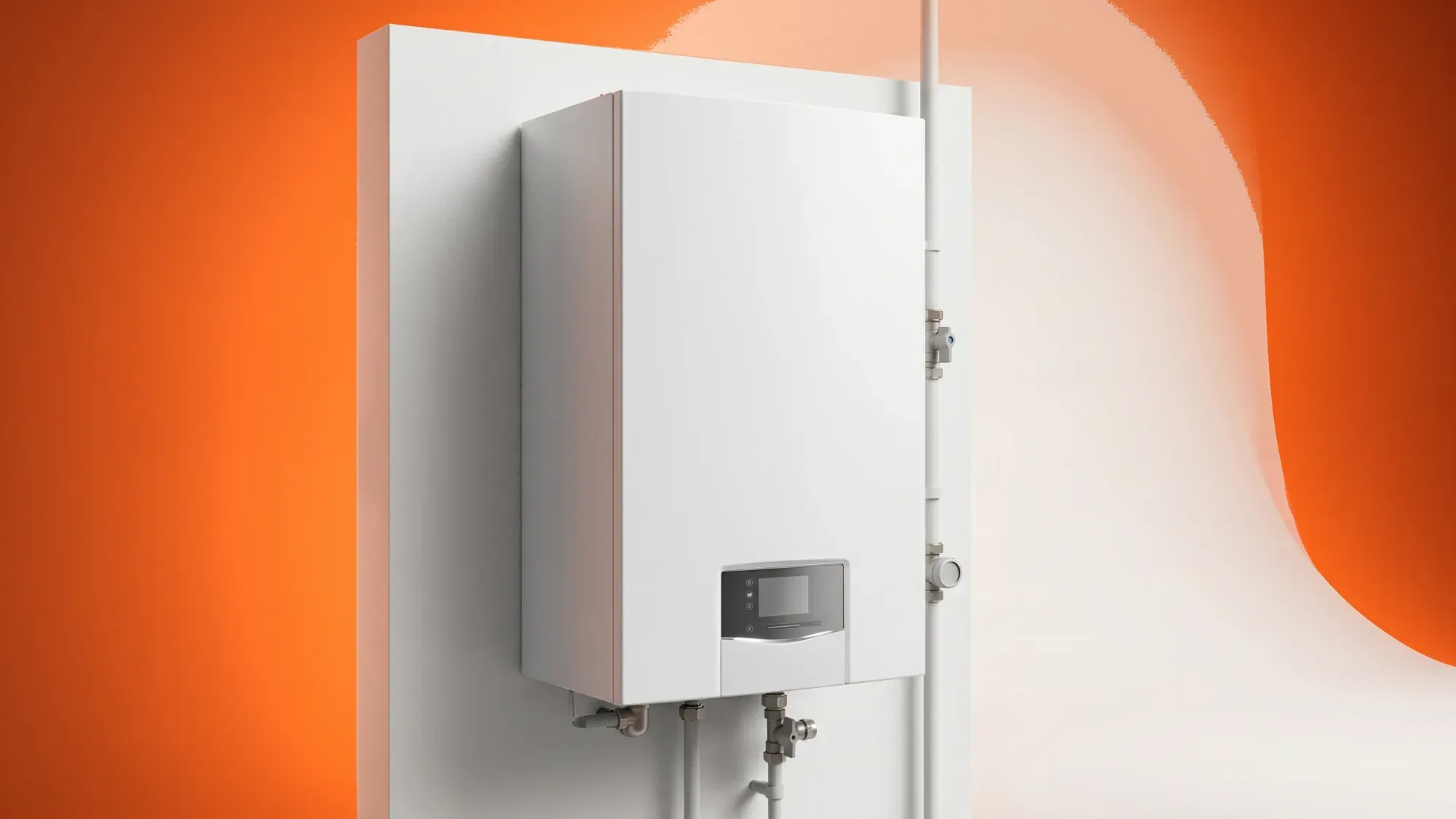
Choosing a new boiler is a significant decision for any UK homeowner, impacting everything from daily comfort to long-term energy bills. Vaillant, a leading manufacturer, offers a range of reliable and energy-efficient heating solutions designed to meet diverse household needs. This guide cuts through the complexity, explaining Vaillant boiler types, their efficiency, typical costs, and essential considerations for installation and maintenance.
Understanding Vaillant boiler types
Vaillant manufactures three primary types of boilers, each suited to different property sizes and hot water demands. Understanding these distinctions is crucial for selecting the right system for your home.
Vaillant combi boilers
Combi boilers are a popular choice in the UK, especially for smaller to medium-sized homes with one bathroom. They heat water directly from the mains, providing hot water on demand without needing a separate hot water cylinder or cold water tank in the loft. This makes them a compact, all-in-one solution, saving space and often reducing energy waste. Vaillant's combi boilers are known for quiet operation and efficient heating.
Vaillant system boilers
System boilers are ideal for medium to large homes with multiple bathrooms or a higher demand for hot water. They work with a separate hot water cylinder, typically located in an airing cupboard, but do not require a cold water tank in the loft as most of their components are built into the boiler itself. This setup ensures a constant supply of hot water to several taps simultaneously, making them a good choice for busy households.
Vaillant conventional (open vent) boilers
Also known as regular or heat-only boilers, conventional boilers are suitable for larger homes with multiple bathrooms and a high hot water demand, particularly if the property has low water pressure. They require both a hot water cylinder and a cold water storage tank, usually in the loft. While they provide a robust heating solution, they are generally recommended as direct replacements for existing conventional systems due to the tank requirements.
Vaillant boiler efficiency and ErP ratings
Boiler efficiency directly affects your energy consumption and heating bills. Vaillant boilers are designed with high energy efficiency in mind, often achieving top ratings under the ErP (Energy-related Products) Directive. Understanding how boilers convert fuel into kilowatt-hours (kWh) of heat is key to appreciating their efficiency.
What ErP ratings mean for your home
The ErP Directive, implemented in 2015, sets minimum efficiency and environmental standards for boilers and heating appliances in the EU and UK. It uses a letter grading system, similar to those found on white goods, to classify devices based on their efficiency. The scale ranges from G to A+++, with A+++ being the most efficient.
Most modern gas boilers sold in the UK are A-rated, indicating at least 90% efficiency. This means they convert 90% or more of the fuel they consume into usable heat, with minimal waste. Upgrading from an older, less efficient boiler (e.g., G-rated, which can be less than 70% efficient) to an A-rated model can lead to significant savings on gas bills.
What is an ErP rating?
An ErP (Energy-related Products) rating is a standardised label that indicates how efficiently a boiler converts fuel into heat. Introduced in 2015, it helps homeowners compare energy efficiency, with ratings from G to A+++. All new gas boilers installed in England must achieve a minimum 92% ErP efficiency to comply with regulations.
Key efficiency features and technologies
Vaillant boilers, particularly the ecoTEC Plus range, are highly energy-efficient, often achieving an A-rating for heating efficiency. This contributes to lower energy bills and a reduced carbon footprint. Many models feature wide modulation ranges, allowing the boiler to adapt its output precisely to your home's heating demands, further optimising efficiency. They also incorporate premium components, such as stainless steel heat exchangers, for superior heat transfer and reliable performance.
Vaillant boiler costs: unit and installation
The total cost of a new Vaillant boiler installation includes both the boiler unit price and the professional installation service. This can vary significantly based on several factors.
Factors influencing boiler unit price
Vaillant boiler units typically fall within a broad price range, excluding installation. The price depends on the boiler type (combi, system, or conventional), its power output (kW), and the specific model range (e.g., ecoTEC Plus, ecoFIT Pure). Higher output boilers generally cost more.
Installation cost breakdown
The installation of a new Vaillant boiler can add a substantial amount to the total cost, meaning the overall project cost, including supply and installation, typically ranges from around £2,500 to £4,500 for a straightforward replacement. More complex installations can be higher. Factors influencing installation costs include:
- Boiler type change: Replacing a combi with a system boiler, or vice versa, is more complex and costly than a like-for-like swap.
- Property size and existing pipework: Larger homes or those requiring significant alterations to pipework will incur higher costs.
- Relocation: Moving the boiler to a different location within the property adds to the complexity and cost.
- Additional work: This might include power flushing the system or installing a magnetic filter to protect the new boiler.
- Location: Installation costs can be higher in certain regions, such as London and the South East.
Long-term running costs and savings
While the upfront cost is a consideration, the long-term running costs and potential savings from an efficient Vaillant boiler are equally important. An A-rated boiler uses less fuel to provide the same amount of heat, leading to lower energy bills. Modern Vaillant boilers, especially the ecoTEC Plus range, are designed for optimal efficiency, helping homeowners reduce their energy consumption and carbon footprint over time.
Popular Vaillant boiler models for UK homes
Vaillant offers several popular boiler ranges, each with specific features and output sizes to suit different home requirements.
The Vaillant ecotec Plus range
The Vaillant ecoTEC Plus is a premium range of boilers, highly regarded for its efficiency, reliability, and performance. These models are often A-rated for heating efficiency and are known for their quiet operation, having received Quiet Mark accreditation. They incorporate advanced features such as wide modulation, which allows the boiler to adjust its output to match heating demand precisely.
Fuse Energy exclusively installs the Vaillant ecoTEC Plus gas boiler model. This focus ensures that customers receive a high-quality, efficient appliance that aligns with Fuse's vision of energy abundance and reliable warmth.
Choosing the right output for your property
Vaillant ecoTEC Plus boilers are available in various output sizes to cater to different property sizes and hot water demands. Selecting the correct output is crucial; an undersized boiler will struggle to heat your home effectively, while an oversized one will cycle inefficiently, wasting energy. It is always best to consult a qualified installer to determine the appropriate output for your property's specific needs.
Installation and warranty considerations
Proper installation and understanding warranty terms are vital for the long-term performance and protection of your Vaillant boiler.
Finding a qualified gas safe registered installer
All new boiler installations in the UK must be carried out by a Gas Safe registered engineer. This ensures the work is performed safely and to the required standards. A qualified installer will also complete the Benchmark logbook, which is essential for validating your boiler's warranty. You can learn more about the importance of the Gas Safe Register for your home's safety.
Fuse Energy provides a modern, seamless digital experience for Vaillant ecoTEC Plus boiler installation, simplifying the process from quote to completion for UK homeowners.
Understanding Vaillant boiler warranties
Vaillant offers product warranties that can range from 2 to 10 years, depending on the model and installation conditions. Longer warranty periods are often available when the boiler is installed by a Vaillant Advance accredited installer and serviced annually. For example, the ecoTEC Plus can come with a 10-year guarantee when installed by a Vaillant Advance partner and registered with a Boiler Protection Kit.
To keep the warranty valid, annual servicing by a Gas Safe registered engineer is mandatory. Failure to register the boiler within 30 days of installation or missing an annual service can invalidate the warranty. The warranty typically covers material and labour charges for manufacturing defects but does not cover issues arising from poor maintenance, accidental damage, or system contamination.
Boiler Plus regulations and your new installation
All new boiler installations in England must comply with Boiler Plus regulations, introduced in April 2018. These regulations require:
- A minimum 92% ErP efficiency for all new gas boilers.
- The inclusion of time and temperature controls.
- For combi boilers, an additional energy-saving measure must be fitted, such as a smart thermostat with optimisation features, weather compensation, load compensation, or flue gas heat recovery.
Compliance is a legal requirement, and both installers and homeowners can face penalties for non-compliant work.
Maintaining your Vaillant boiler
Regular maintenance is key to ensuring your Vaillant boiler operates safely, efficiently, and reliably for years to come.
The benefits of annual servicing
An annual service by a Gas Safe registered engineer is crucial for several reasons:
- Safety: It helps detect potential issues like gas leaks or carbon monoxide risks, keeping your home and family safe.
- Warranty validity: Most manufacturers, including Vaillant, require annual servicing to keep the product warranty valid.
- Efficiency: Regular checks ensure your boiler runs at its optimal efficiency, helping to keep energy bills low.
- Preventative maintenance: Small problems can be identified and fixed before they escalate into costly breakdowns, extending the lifespan of your boiler.
- Peace of mind: Knowing your boiler has been checked by a professional offers reassurance, especially before the colder months.
Common issues and basic troubleshooting
While annual servicing helps prevent major problems, some minor issues might arise. Common boiler problems can include loss of pressure, strange noises, or the boiler not firing up. For any persistent or complex issues, it is always best to contact a Gas Safe registered engineer.
Disclaimer
For the avoidance of doubt, this article is provided for informational purposes only and is not intended to constitute legal or financial advice. The author and/or Fuse Energy shall not be responsible for any losses arising out of any reliance on the information contained herein.